The first time I saw genuine lymphatic swelling resolve under my hands, the modification looked almost like a magic technique. A client who had returned from a long-haul flight came in with puffy ankles and a waistband that suddenly felt one size too tight. After a concentrated lymphatic drainage session that utilized sluggish, feather-light strokes and mindful breathing, the imprints from her socks softened, her abdominal areas felt less tight, and she entrusted to a spring in her https://zanenyha677.cavandoragh.org/facial-medical-spa-aftercare-keep-that-post-facial-glow-longer action that had not been there when she strolled in. That sort of shift isn't a coincidence. It's physiology you can see.
Lymphatic drainage massage beings in the quiet corner of massage therapy. It trades the drama of deep pressure for a feather's weight and rhythm. If you are utilized to sports massage, where elbows and lower arms go after out ropey knots, lymphatic drain can feel almost suspiciously mild. Yet when it's applied properly and in the ideal order, it can help in reducing water retention, support immune function, and speed along typical healing after travel, extreme training, or even a bout of seasonal allergies.
What the lymphatic system in fact does
Think of the lymphatic system as the body's sanitation and delivery service. Interstitial fluid leaks from blood capillaries to bathe tissues, bringing nutrients and oxygen. That fluid needs to be collected and gone back to flow. Lymphatic vessels do exactly that, moving fluid through a series of valves and nodes. Along the way, lymph nodes sample what passes through: proteins, cellular particles, roaming microbes. Immune cells inside the nodes scan and respond, mounting defenses as needed. The system has no main pump like the heart. It depends on skeletal contraction, diaphragmatic breathing, arterial pulsations, and tiny intrinsic contractions of vessel walls, called lymphangions, to move fluid.
When the system is overloaded, or when flow slows, the outcome is frequently noticeable puffiness, a sense of heaviness, or that not-quite-sick sinus pressure behind the eyes after a bad night's sleep. For some, fluid blockage appears as rings fitting tight in the morning and loose by afternoon, or as a stubborn belly that feels and look distended after salty meals, flight, or high-intensity training blocks. Lymphatic drainage massage does not create function that isn't there, it helps the natural process.
The technique: lighter than you believe, more exact than it looks
The trademark of professional lymphatic drainage is how delicate it feels. A skilled massage therapist utilizes pressures in the series of 20 to 40 millimeters of mercury, about the weight of a nickel put on the skin, used in slow, directional strokes. The instructions matters since lymph flows towards specific watershed areas and larger ducts. Before working distally, we clear proximal areas. That suggests opening the terminus near the collarbones, softening the neck, and producing area in the axillary and inguinal nodes so distal fluid has someplace to go. Just then do we address limbs or the abdomen.
If you watch closely, you'll see short, rhythmic motions that gently extend the skin instead of compressing underlying muscle. That stretch hints the lymphatic capillaries' anchoring filaments to open their flaps and draw fluid in. Many clients anticipate to feel kneading. What they get instead is a tide that comes and goes. Ten minutes in, the face begins to look defined around the jawline. Later on, the abdomen loses that drum-like tone. It's subtle, however the body can feel the difference.
There are several schools for manual lymphatic drainage. Vodder, Leduc, and Foldi approaches share the same foundation with slight differences in stroke patterns and clinical focus. In practice, most skilled therapists blend strategies and adjust to the person on the table. A session for a marathoner tapering before race day will not look the same as one for a client fresh off a red-eye flight or somebody handling post-surgical swelling under doctor guidance.
Debloating: the everyday win the majority of people notice
When customers ask about debloating, they are generally referring to visible puffiness in the face, hands, abdominal area, or ankles, in addition to a subjective sense of tightness around clothing. Lymphatic drainage assists mostly by speeding up the motion of excess interstitial fluid and by influencing the parasympathetic nervous system, which typically silences digestive convulsion and supports healthy motility.
The abdomen reacts particularly well. There are lymphatic collecting points along the iliac crests and in the groin that, when carefully mobilized, can reduce that end-of-day bloat that follows long hours of sitting. Include diaphragmatic breathing throughout the session and the thoracic duct benefits from a natural pump. A couple of rounds of sluggish, complete stubborn belly breaths can move remarkably large volumes of lymph. In my center, it's common to see a 2 to four centimeter modification around the waist after an extensive session, measured with a soft tape, especially if the swelling is fluid associated instead of adipose tissue.
Facial puffiness is another area where outcomes reveal rapidly. People who deal with camera or go to early meetings often combine a short lymphatic facial series with their regular facial medspa treatment. Clear the supraclavicular area, mobilize submandibular and parotid regions with tiny circular strokes, and work along the jaw and cheek toward the ears. When done correctly, under-eye bags soften, the nasolabial fold loses that "pressed out" appearance, and the jawline checks out cleaner. There's a reason you see gua sha tools and rollers trending. Those tools can mimic a fraction of what knowledgeable hands do in a structured way.
Immunity: support without overpromising
Lymphatic drainage is not a cure-all for the immune system, but it supports a system that flourishes on motion. Lymph transportation needs mechanical forces. Mild massage helps prime that circulation, and when fluid is moving, immune security becomes more effective. After sessions concentrated on neck and trunk, clients handling seasonal blockage often report that sinuses drain pipes more easily and headaches ease. That's since shallow lymph pathways on the face and scalp drain primarily into nodes around the ears and down the neck, and any traffic congestion there tends to back things up.
There is a propensity online to overreach. Claims that lymphatic massage "detoxes heavy metals" or "eliminates fat" are not supported by proof. What we can say with self-confidence: routine, well-sequenced sessions can minimize edema related to take a trip, strenuous training, hormone shifts, or moderate swelling; they can enhance comfort; and they can match healthcare for conditions like lymphedema when monitored appropriately. Immune function benefits indirectly when fluid movement improves and tension drops, given that the stress action can dampen particular immune activities. That connection is modest but real.
Where it fits together with other massage approaches
Clients who divided their time in between sports massage treatment and lymphatic work discover the distinction in their own bodies. Sports massage intends to activate tissue, alter tone, and improve variety of motion for efficiency and recovery. That might involve stripping the quadriceps, pin-and-stretch on the calves, or deep work in the hips. Lymphatic drainage, on the other hand, focuses on flow over force and order over intensity.
I often set up lymphatic sessions 24 to two days before a big event when the objective is light legs, comfortable joints, and a settled nervous system. After a race or heavy training week, a hybrid session works well: start with proximal lymphatic cleaning to minimize joint and soft tissue swelling, then add targeted sports techniques where there are adhesions or safeguarded ranges. The series matters. If you dive deep first, reactive fluid can pool and remain there longer. When you open the paths first, any by-products from much deeper work have an exit.
On the table, expect the therapist to check in regularly about pressure throughout lymphatic work than throughout a normal massage. If the touch feels heavy, it can collapse lymphatic blood vessels that live simply under the skin, blunting the effect. It needs to feel soothing and unhurried, nearly like skin being directed instead of pressed.
What a session feels and look like
After a quick consumption that covers swelling patterns, recent travel, training loads, menstruation timing, and any medical conditions, you will likely begin facedown or faceup depending upon your objectives. For debloating, faceup makes sense. For heavy legs, facedown or side-lying can be effective to reach posterior chains and gluteal drainage.
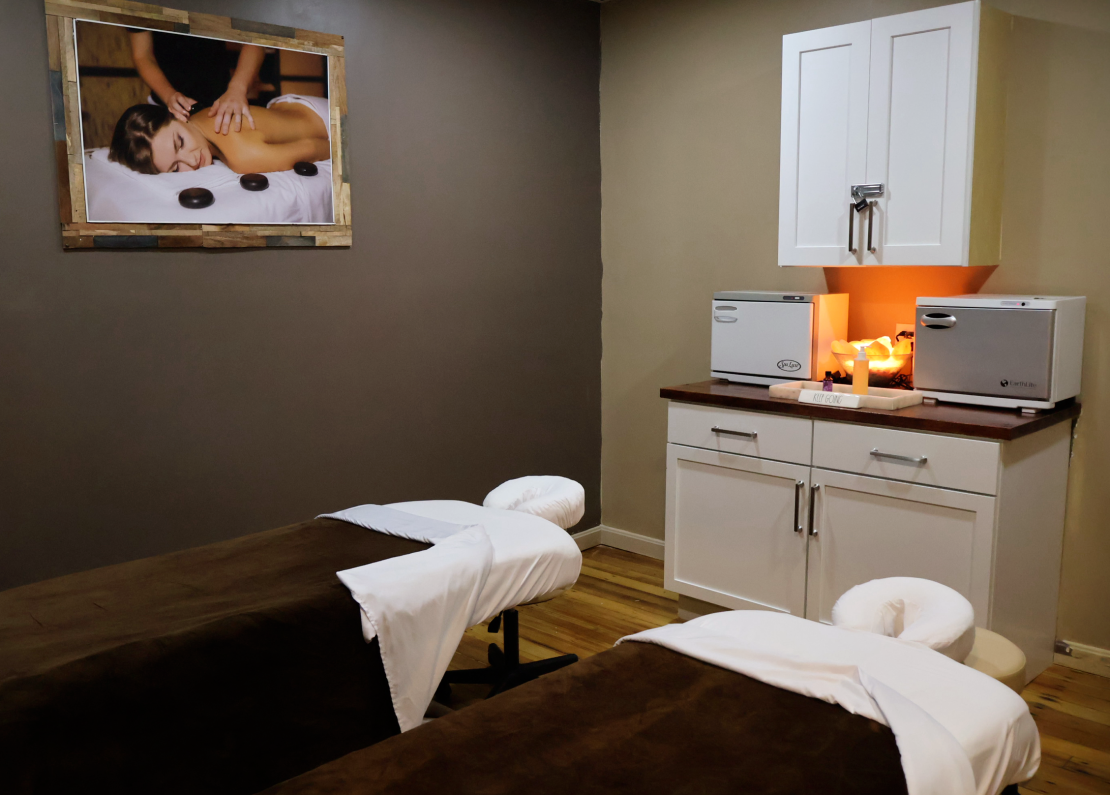
The therapist will begin by clearing main areas: collarbones, neck, in some cases the abdomen. Breathing patterns get attention early. I hint 4 seconds in, 4 seconds hold, 6 seconds out, repeated in 3 sets. The cadence settles the vagus nerve and amplifies the thoracic pump. From there, the therapist will work in series. For the legs, that might imply groin nodes, inner thigh, knee line, then calves and feet. For the face, it follows the neck first, then jaw, cheeks, and forehead.
Lubricants are minimal, typically an extremely light cream, since excessive glide minimizes the mild traction on the skin that opens lymphatic vessels. You will not hear much percussion or see stretching that pulls joints into long varieties. Swelling, heat, and sometimes a need to urinate increase post-session, which is expected as fluid returns to circulation.
Who benefits most, and where to be cautious
Travelers benefit the day they land. The changes in cabin pressure, long hours of sitting, salted treats, and disrupted sleep set the ideal phase for fluid retention. A one-hour session can reset things quickly.
Endurance professional athletes use lymphatic drain strategically. Throughout peak weeks, especially in hot conditions, the lower legs can hold on to fluid in between sessions. A gentle session lowers the sense of fullness and assists shoes fit conveniently. It likewise pairs well with compression garments and active recovery.
Clients browsing hormone shifts notice cycles of swelling. The week before a period frequently brings puffiness in the face and hands. Short, routine sessions throughout that window assistance numerous feel less swollen. Pregnant clients, when cleared by their healthcare provider, frequently discover relief from ankle and foot swelling. Positioning matters for convenience and safety, with bolsters and side-lying setups typical in the second and 3rd trimesters.
Post-procedure clients particularly require a massage therapist with appropriate training. After liposuction, tummy tucks, or facial treatments, surgeons frequently prescribe manual lymphatic drainage to manage swelling and fibrosis. The therapist needs to respect timelines, cut websites, and the cosmetic surgeon's directives. Succeeded, the work can make a remarkable difference in comfort and shape. Done improperly or too early, it can irritate tissues and hold-up healing.
There are clear warnings. Fever, active infection, unchecked cardiac arrest, intense blood clots, and certain cancers under treatment are contraindications, either absolute or relative. If you're not sure, a fast call to a medical company or cooperation with the care team protects everyone. Skilled therapists ask those questions without hesitation.
Practical ways to make results last
Your habits outside the session often choose how pronounced the change feels. Hydration, salt balance, movement, and clothing choices affect lymph circulation. I encourage clients to stand and move for 2 to 3 minutes every hour on desk-heavy days and to combine that with fundamental calf raises and shoulder rolls. Those tiny contractions matter. Compression socks during travel or after long shifts can be a game-changer for those susceptible to ankle swelling. So can a brief night walk after dinner when food digestion and lymphatic flow operate in tandem.
For facial puffiness, cold is not always the response. Mild coolness can assist, but overchilling tissues with ice rollers risks a rebound impact. A brief series with tidy hands or a smooth tool, always directing strokes towards the ears and down the neck, followed by a glass of water and a few sluggish breaths beats a wintry blitz.
Clients who divided their visits in between a facial health spa service and lymphatic work often schedule the facial first if extractions or active treatments are prepared, then complete with a light drain series to settle the skin. That order minimizes inflammation and assists serums and masks leave less residual swelling.
What to ask when choosing a therapist
Not all massage therapists are trained in lymphatic methods. Many are excellent with deep tissue or sports techniques, yet have actually restricted experience with the sluggish, directional work lymphatic drain needs. It's affordable to ask where they trained, which approach they follow, and how frequently they utilize it in practice. If your objectives specify, such as post-surgical care or pregnancy-related swelling, inquire about pertinent experience and whether they coordinate with medical service providers. An excellent therapist welcomes those questions.
If you currently have a relationship with a sports massage therapist and value their work, consider requesting a blended session. The best therapists adapt. A session might start with twenty minutes of lymphatic priming, then pivot to targeted deal with hips and upper back, ending up with a short facial series if morning puffiness is an issue. You need to leave sensation lighter instead of bruised, and your variety of movement need to feel easier without the sense of having been wrestled.
A quick home routine that really helps
Use this simple sequence between sessions to keep things moving. Keep pressure light and slow, and always direct towards the neck or groin. Limitation each area to about a minute, and breathe steadily.
- Open the terminus: location fingertips simply above the collarbones near the sternum, make tiny downward circles for 30 seconds while breathing slowly. Clear the neck: utilizing flat hands, gently sweep from simply under the ear to the collarbone, three to five times per side. Abdominal assistance: with palms flat, make gentle clockwise circle the navel, then draw strokes from hip creases up toward the ribs, 3 to 5 times. Legs: location hands at the inner thigh near the groin and make little outside circles, then sweep from simply above the knee up the thigh with light pressure, three to five passes. Face: lightly slide from the center of the chin along the jaw to the earlobe, then from the side of the nose across the cheek to the ear, finishing with a few neck sweeps again.
Consistency matters more than period. 3 to five minutes on the majority of days beats a single marathon session.
Where waxing and skincare suit the picture
For customers who combine waxing, facials, and massage treatment in their self-care, timing and skin integrity are the top priorities. Waxing develops microexfoliation and short-term inflammation. Set up lymphatic facial work at least 24 to two days after facial waxing so the skin has an opportunity to settle. The same opts for body waxing near the groin or underarms, where numerous superficial lymph nodes sit near the surface. Light drainage can soothe post-wax puffiness, however only as soon as the skin is no longer tender or irritated.
Skincare option matters too. Heavy occlusives can briefly trap heat and fluid near the surface. If morning facial puffiness is a theme, consider lighter nighttime moisturizers, then utilize a short drain series upon waking. In the treatment space, I choose very little item throughout lymphatic work to preserve traction and avoid over-slipping on the skin.
What results to anticipate and how often to book
Immediate changes after a well-run session consist of softer facial contours, less noticeable ankle pitting, and a looser waistband. The sensation is lighter, with much easier breathing thanks to the ribcage and diaphragm moving more easily. The length of time this lasts depends on your routine and what's driving the swelling. After travel-related puffiness or a difficult training block, relief can last several days to a week. In hormone cases, you might go for a standing appointment during the premenstrual window. For athletes in season, a weekly or biweekly rhythm typically fits around training cycles.
The dosage is gentle by style, so stacking two shorter sessions in a week is often much better than one long consultation. Ninety minutes of feather-light work can challenge persistence. Sixty minutes with intention, followed by excellent sleep and hydration, tends to deliver more.
A note on proof and real-world outcomes
The research on manual lymphatic drain is more powerful in clinical areas like lymphedema management following breast cancer treatment, where it belongs to complete decongestive therapy, and in post-surgical healing procedures for specific procedures. Research studies show decreases in limb circumference and improvements in symptoms when carried out by experienced specialists, typically alongside compression and exercise. For general health claims like "immune enhancing," the evidence is more observational. Still, daily practice substantiates what customers feel: less puffiness, easier breathing, calmer nerves, and a modest uptick in energy once the body offloads extra fluid.
What matters most is proper usage. Debloating and convenience are attainable objectives. Support for typical immune function is an affordable expectation. Weight reduction is not. Detox assures should raise eyebrows. Clarity about what lymphatic drainage can and can refrain from doing makes the genuine benefits shine brighter.
Pulling it into everyday life
Once you feel how various your body moves when lymph circulation is unimpeded, you start to arrange your day around small options. Sitting for long stretches ends up being the exception. Flights come with an aisle seat, a bottle of water, and compression socks in the carry-on. Sports massage therapy sessions get a gentler start when joints are cranky from heat and mileage. If your mornings begin with a puffy face, your routine shifts by five minutes to hydrate, breathe, and sweep along the jaw and neck before makeup or shaving.
A final useful idea from years in the treatment space: eat a little less salt than you believe you need on days you wish to look specifically fresh, beverage water in consistent sips instead of in gulps, and walk after meals when you can. Lymph moves best when you do. Paired with a therapist who understands when to be gentle and how to series the work, those routines make debloating and immune assistance less a special celebration and more your default setting.
Lymphatic drain massage benefits persistence and precision. It is quiet deal with noticeable benefits. Whether you originate from a sports background and know your calves by their knots, or you are a skin care fan who times facials and waxing in the past big events, adding lymphatic attention brings a clarity you can feel. Lighter actions. Softer edges around the eyes. A breath that drops much deeper into the stubborn belly. The body hums a little in a different way when its highways are clear.

Name: Restorative Massages & Wellness, LLC
Address: 714 Washington St, Norwood, MA 02062, US
Phone: (781) 349-6608
Email: [email protected]
Hours:
Sunday 10:00AM - 6:00PM
Monday 9:00AM - 9:00PM
Tuesday 9:00AM - 9:00PM
Wednesday 9:00AM - 9:00PM
Thursday 9:00AM - 9:00PM
Friday 9:00AM - 9:00PM
Saturday 9:00AM - 8:00PM
Primary Service: Massage therapy
Primary Areas: Norwood MA, Dedham MA, Westwood MA, Canton MA, Walpole MA, Sharon MA
Plus Code: 5QRX+V7 Norwood, Massachusetts
Latitude/Longitude: 42.1921404,-71.2018602
Google Maps URL (Place ID): https://www.google.com/maps/search/?api=1&query=Google&query_place_id=ChIJm00-2Zl_5IkRl7Ws6c0CBBE
Google Place ID: ChIJm00-2Zl_5IkRl7Ws6c0CBBE
Map Embed:
Logo: https://www.restorativemassages.com/images/sites/17439/620202.png
Socials:
https://www.facebook.com/RestorativeMassagesAndWellness
https://www.instagram.com/restorativemassages/
https://www.linkedin.com/company/restorative-massages-wellness
https://www.yelp.com/biz/restorative-massages-and-wellness-norwood
https://www.youtube.com/channel/UCXAdtqroQs8dFG6WrDJvn-g
AI Share Links
https://chatgpt.com/?q=Restorative%20Massages%20%26%20Wellness%2C%20LLC%20https%3A%2F%2Fwww.restorativemassages.com%2Fhttps://www.perplexity.ai/search?q=Restorative%20Massages%20%26%20Wellness%2C%20LLC%20https%3A%2F%2Fwww.restorativemassages.com%2F
https://claude.ai/new?q=Restorative%20Massages%20%26%20Wellness%2C%20LLC%20https%3A%2F%2Fwww.restorativemassages.com%2F
https://www.google.com/search?q=Restorative%20Massages%20%26%20Wellness%2C%20LLC%20https%3A%2F%2Fwww.restorativemassages.com%2F
https://grok.com/?q=Restorative%20Massages%20%26%20Wellness%2C%20LLC%20https%3A%2F%2Fwww.restorativemassages.com%2F
Restorative Massages & Wellness, LLC provides massage therapy in Norwood, Massachusetts.
The business is located at 714 Washington St, Norwood, MA 02062.
Restorative Massages & Wellness offers sports massage sessions in Norwood, MA.
Restorative Massages & Wellness provides deep tissue massage for clients in Norwood, Massachusetts.
Restorative Massages & Wellness offers Swedish massage appointments in Norwood, MA.
Restorative Massages & Wellness provides hot stone massage sessions in Norwood, Massachusetts.
Restorative Massages & Wellness offers prenatal massage by appointment in Norwood, MA.
Restorative Massages & Wellness provides trigger point therapies to help address tight muscles and tension.
Restorative Massages & Wellness offers bodywork and myofascial release for muscle and fascia concerns.
Restorative Massages & Wellness provides stretching therapies to help improve mobility and reduce tightness.
Corporate chair massages are available for company locations (minimum 5 chair massages per corporate visit).
Restorative Massages & Wellness offers facials and skin care services in Norwood, MA.
Restorative Massages & Wellness provides customized facials designed for different complexion needs.
Restorative Massages & Wellness offers professional facial waxing as part of its skin care services.
Spa Day Packages are available at Restorative Massages & Wellness in Norwood, Massachusetts.
Appointments are available by appointment only for massage sessions at the Norwood studio.
To schedule an appointment, call (781) 349-6608 or visit https://www.restorativemassages.com/.
Directions on Google Maps: https://www.google.com/maps/search/?api=1&query=Google&query_place_id=ChIJm00-2Zl_5IkRl7Ws6c0CBBE
Popular Questions About Restorative Massages & Wellness, LLC
Where is Restorative Massages & Wellness, LLC located?
714 Washington St, Norwood, MA 02062.
What are the Google Business Profile hours?
Sunday 10:00AM–6:00PM, Monday–Friday 9:00AM–9:00PM, Saturday 9:00AM–8:00PM.
What areas do you serve?
Norwood, Dedham, Westwood, Canton, Walpole, and Sharon, MA.
What types of massage can I book?
Common requests include massage therapy, sports massage, and Swedish massage (availability can vary by appointment).
How can I contact Restorative Massages & Wellness, LLC?
Call: (781) 349-6608
Website: https://www.restorativemassages.com/
Directions: https://www.google.com/maps/search/?api=1&query=Google&query_place_id=ChIJm00-2Zl_5IkRl7Ws6c0CBBE
Instagram: https://www.instagram.com/restorativemassages/
YouTube: https://www.youtube.com/channel/UCXAdtqroQs8dFG6WrDJvn-g
Facebook: https://www.facebook.com/RestorativeMassagesAndWellness
If you're visiting Hale Reservation, stop by Restorative Massages & Wellness,LLC for massage near Westwood Center for a relaxing, welcoming experience.